

Curation Without Context Is Just an Extension of the Algorithm
Taste is not a moodboard or a beige wool coat – it’s a way of reading culture on a deeper level.

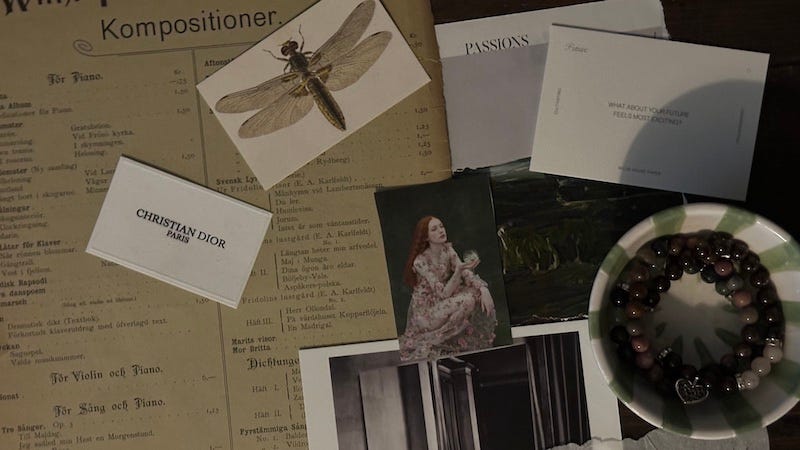
We live in a culture that rewards sameness: the algorithm serves us what’s trending, brands recycle the same aesthetics, and feeds blur into a single moodboard. In this essay, I explore why taste has become one of the last forms of cultural resistance — not about pretty feeds, but about context, depth, and the ability to see beyond the algorithm.
Taste is the ability to recognize where things come from, why they resonate in this particular moment, and how they create meaning beyond algorithms and validation.
Amidst all the sameness, as I wrote earlier 👇🏻
value comes from someone pointing out what in all of this is actually meaningful.
The algorithm tells us what kind of taste is trending right now (which is, by the way, easily copied!). That’s why curation has become popular: it promises to tame sameness.
Everyone curates their lists, feeds, and favorites.
As if merely arranging things and presenting them as lists or collections were proof of good taste.
If curation lacks context, it flattens out and begins to replicate the logic of the algorithm.
“Taste is a refinement layer. A beautiful idea with no execution is just a Pinterest board.”
— The Chequebook
Curation has acquired an almost magical halo. It promises choices with depth and meaning.
In reality, most of what we call curation is simply a collection of aesthetically pleasing things put together without any justification, history, or deeper framework.
“Good taste” has turned into the search for surface-level validation. We want to look right, but we don’t understand why on a deeper level.
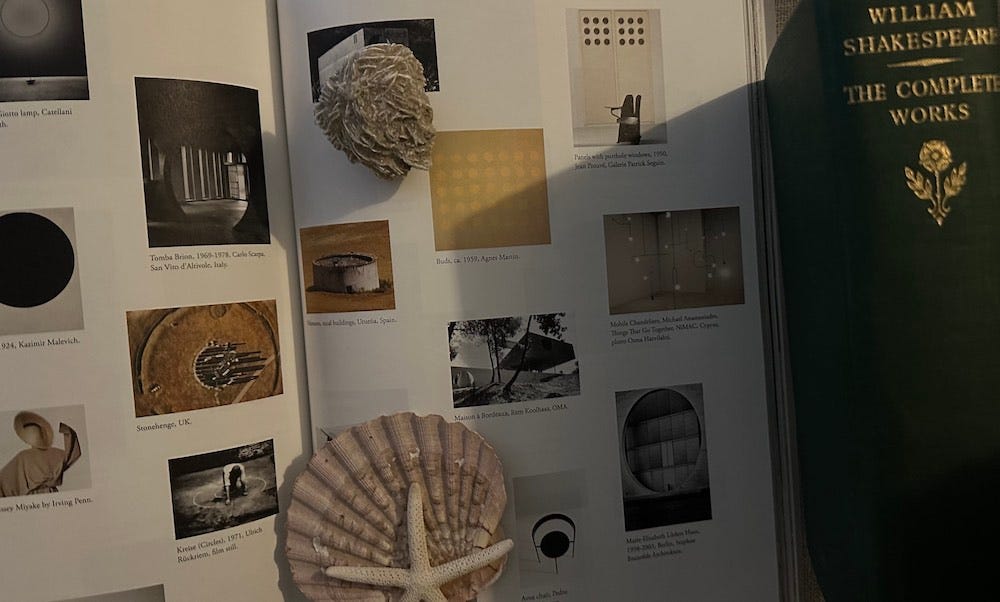
The Illusion of Aesthetics: When Beauty Is Mistaken for Taste
Aesthetics are visible, which is why they are so easy to copy.
But taste is not about the images we pin on Pinterest or glue onto a physical moodboard. It’s not about the color of the sweaters we buy or the way we furnish our homes according to each trend.
Taste is, in truth, a much deeper system that shapes what we value, how we build our identities, and the kinds of communities we belong to.
Take quiet luxury, for example. It spread globally because its code is so simple: a beige wool coat, a minimalist watch, an expensive handbag. But without an understanding of its historical origins, it remains just an empty signal.
People have begun to build their identities around the question “Do I look right?” when what they should be asking is “What genuinely moves me? What am I willing to stand for, even if it looks strange in the eyes of others?”
This is the logic of the validation economy: external approval replaces inner resonance.
Why Brands Can’t Survive on Aesthetics Alone
A brand cannot be built on aesthetics alone.
Beautiful images and borrowed trends may capture attention, but they do not create a lasting position in the market.
Value is only created when choices are anchored in context: history, communities, materials, and rituals.
A brand that can explain the context behind its choices – why these materials, why this reference, why this connection – builds cultural capital that is almost impossible to copy.
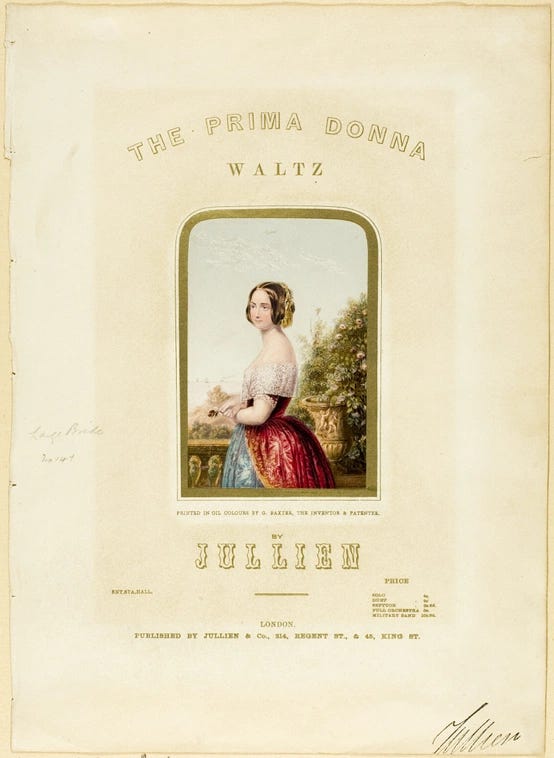
Historical Frame: From Class to Code
Taste has never been just an individual preference. It has always been bound up with power and differentiation.
For a long time, social class defined what was considered “good taste.” The upper classes used clothing, furniture, music, art, and manners to set themselves apart. The moment a style spread to the broader population, it lost its value in the eyes of the elite. They had to find new ways to distinguish themselves.
In Finland, this was visible for a long time in clothing and interiors: the austerity of the working class stood apart from the respectability of the middle class, while the elite borrowed influences from Central Europe and the Russian court.
After the war, the scarcity-era aesthetic made practicality a virtue, and then the design wave of the 1960s and 70s (Artek, Marimekko, Iittala) defined a new “Finnish taste,” where modernism, equality, and a relationship with nature were intertwined.
That logic hasn’t disappeared. Instead of class or wealth, taste now functions as a set of cultural codes that aren’t immediately visible and require literacy to decode.
Today, taste might show up in whether you choose an Artek stool instead of Ikea or a small poetry magazine instead of the culture pages of the major newspaper. These are not just practical choices – they are signals of the values and contexts a person recognizes and interprets.
For a long time, good taste was equated with wealth. But expensive no longer automatically means good taste, and inexpensive no longer means bad. A Louis Vuitton bag can be as empty a signal as a fast-fashion dress. It may tell you only about purchasing power and nothing about context.
Taste has shifted away from mere aesthetic markers toward the ability to read and interpret culture. It can be built from history, subcultures, art, or small everyday details.
And as Ana Andjelic has pointed out, this creates the modern “map of taste”:
Creative and insider taste (art galleries, small trend spots). Status comes from knowledge, sensitivity, and networks.
Traditional luxury (Prada, Louis Vuitton, the big names). Money rules, but opinions are secondary.
Trendsetters and imitators (Zara, social-media aesthetics, café interiors). Trends arise quickly and spread everywhere, losing value just as quickly.
Mainstream followers (fast-fashion chains and hit products). People buy only what is currently in style.
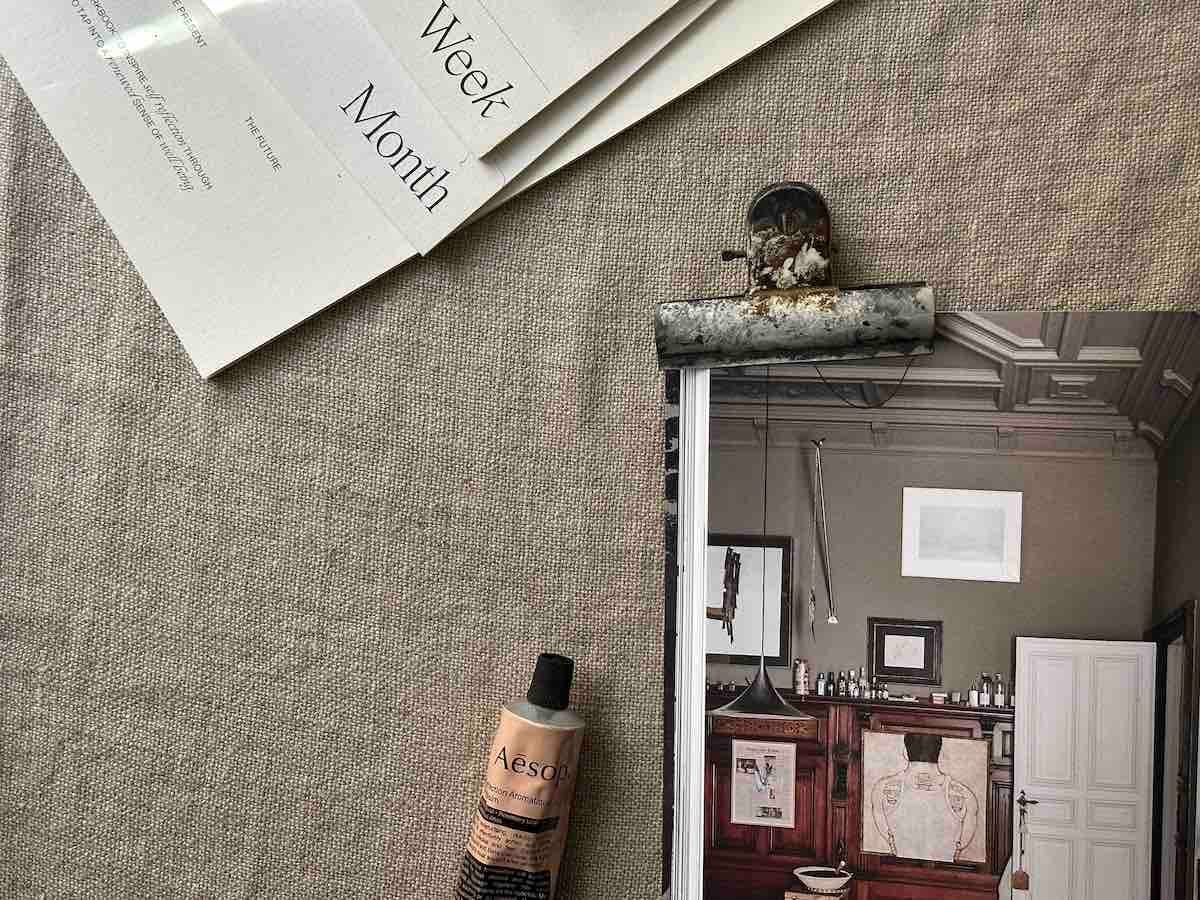
Thus, taste has traveled from class-based distinctions toward cultural codes, where value is created by the ability to interpret and understand meaning.
That’s why price no longer decides: taste is not about purchasing power but about the ability to recognize and interpret context.
The Return of the Tastemaker
The age of algorithms has turned us into consumers who expect someone else to search, sift, and pre-decide what is worth watching, reading, or buying – whether music, books, TV shows, clothes, makeup, or products.
That’s why curation has risen as a trend, but at the same time, its real value has declined.
Lists and “favorites” are everywhere, but rarely do they explain why something matters. What we need are tastemakers – people whose taste can be trusted and who don’t settle for recommendation alone, but also explain and contextualize.
A good tastemaker doesn’t give audiences what they already know they want, but challenges them.
They offer experiences that require a little more focus, that push into discomfort, and that leave a mark longer than a single scroll.
Their task is not to reinforce what we already find pleasant and easy, but to guide us toward things that may initially feel strange but that linger, and grow our understanding.
Curation at its best is not a collection of aesthetic images, but a way to create a frame and narrative: why these particular things have been chosen.
A tastemaker adds context, history, connections, and explanations into one experience that makes the audience feel they’ve learned something new and seen things differently.
The best curators don’t just reflect culture. They shape it.
Influencer vs. Tastemaker
Today’s influencers are recommenders, and trust in them has declined. A recommender shows what they like, but not why it should matter to anyone else.
Recommender vs. Tastemaker
The recommender shows what they like.
The tastemaker explains why something is meaningful.
The recommender reinforces preferences and gives more of the same.
The tastemaker challenges and pushes into discomfort.
The recommender operates on the logic of the algorithm: quick, easy, familiar.
The tastemaker slows down, adds context, and opens up new layers.
The recommender provides lists.
The tastemaker builds worlds.
True Taste and How to Practice It
True taste is not an inborn gift or a sudden insight. It is the constant practice of thinking – and above all, a psychological process. It is the ability to read signs, recognize nuance, and tolerate uncertainty, incompleteness, and even your own slightly embarrassing taste.
The development of taste requires that something first feels odd or wrong, but gradually begins to open up. That’s when we learn to distinguish a surface-level trend from something deeper and more meaningful.
It’s the ability to discern where something came from, what elements it borrows, and what meanings it carries.
Psychologically, it is also about self-knowledge. When you pause to ask yourself why something moves you, you begin to see your own values and boundaries more clearly. You stop building your identity solely on external approval. You also learn to recognize when you like something for yourself – and when it’s just environmental pressure.
That’s why taste doesn’t fit the fast tempo of social media, where everything must be instantly shareable and easily digestible.
True taste is built from slowness and continuous reflection: it is more about listening for inner resonance than about collecting aesthetic signals.
Four Ways to Start Right Now
Walk paths the algorithm doesn’t know
Go to a flea market or a small exhibition, browse the back shelves of the library, choose a film you’ve never heard of, or join a conversation you didn’t even want to. If your sources are the same as everyone else’s, your taste will be the same.
Make sure you can explain why
When something moves you, ask yourself where that feeling comes from – memory, aesthetics, history, story? The same applies to what doesn’t appeal: often that tells you even more.
Write down your observations
Collect notes, quotes, and details. Record what pulls you in and what repels you. Returning to these notes shows you how your taste evolves and sharpens.
Cut ruthlessly
Taste doesn’t grow only by adding new things, but by subtracting. What you don’t choose is often just as meaningful as what you do.
Brands and Taste as Business
Brands have always been entangled with taste. But because aesthetics are easy to copy and trends burn out as fast as they ignite, competition no longer turns on who looks the prettiest.
The question now is: who can build context and meaning around themselves?
Taste determines which audience a brand connects with and what kinds of communities it attracts.
In Finland, design was never just beautiful form – it was a way of creating a whole vision of the good life: simple, practical, connected to nature. It’s the same code that still lives today in brands like Artek.
Artek’s furniture is aesthetically beautiful, but the brand’s power has never rested on form alone. Each piece carries the legacy of Alvar and Aino Aalto, the values of modernism, and craftsmanship tied to a specific place and time.
Artek has never been just a furniture brand, but part of a broader cultural narrative of Finnish design. Each object is part of a larger continuum: the Finnish modernist ideal, where beauty, practicality, and democracy were bound together. This context makes it a brand that cannot be copied – even if the product itself looks simple, its meaning is layered.
Context makes taste valuable and difficult to copy.
Taste is not just an individual’s aesthetics but a language of the community. It’s a way to recognize rituals, references, and values that tie us together.
That’s why taste is also resistance: slow, deliberate, and difficult to copy, in a culture that rewards instant likability and repetition. It separates the brands that disappear in the stream from those that stay in memory.
And because taste always needs tools to become visible, next week I’ll turn to one such tool that everyone thinks they know: the moodboard – and what it could really be, if returned to its original power.
Jos haluat lukea artikkelin suomeksi, klikkaa suomenkieliseen blogiini: Kuratointi ilman kontekstia on vain algoritmin jatke
Sources & Further Reading:
The Cheque Book: WTF is taste and why is it the new intelligence?
The Sociology of Business: The taste map
The Sociology of Business: What niche mags know about taste
The Sociology of Business: Taste in progress
The Sociology of Business: Activating the taste map
Postcards by hasif: Capitalism Completely Killed Our taste
The Line of Best Fit: The Monday meeting
Silver Linings: Liquid Illusions
You Morons, Of Course Gatekeeping Serves A Vital Role
Lights in the Dark: Curation as Resistance